
When choosing a thermal device for birding, it is easy to focus on detection range, magnification, or image clarity. But when you are actually searching for birds in the field, another specification can have an equally important impact on how you search: field of view (FOV).
Birds rarely appear exactly where you expect them to. A search may begin with a broad view of a forest edge, tree canopy, reed bed, or patch of grass, with no obvious target in sight. In these situations, being able to see more of the surrounding scene at once can make the search process more efficient.
This is where field of view becomes particularly useful for thermal birding.

What Is Field of View in Thermal Imaging?
Field of view (FOV) refers to the width of the scene visible through a thermal imaging device at a given moment. It is usually measured in degrees.
A wider field of view shows more of the surrounding environment, while a narrower field of view provides a more focused view of a smaller area.
In thermal birding, this difference matters because the initial challenge is often not identifying a bird you have already found—it is locating a potential target within a large and complex environment.
A wider FOV can help you scan that environment more efficiently before switching to a closer view for detailed observation.
Why Field of View Matters in Thermal Birding
Scan More of the Scene in Each View
A wider field of view allows birders to see more of the surrounding scene in each scan.
Consider searching along a woodland edge. Instead of repeatedly moving a narrow viewing window across individual sections of trees and vegetation, a wider FOV allows more of the area to remain visible at the same time.
This can reduce repeated repositioning during the initial search and make it easier to notice a potential heat source before focusing on it.
The principle is simple:
Scan wider first. Focus closer second.
For thermal birding, this search-first approach can be especially useful when the location of the bird is unknown.
Keep Better Awareness of the Surrounding Habitat
Birding is rarely about looking at an isolated target. The surrounding habitat provides important context.
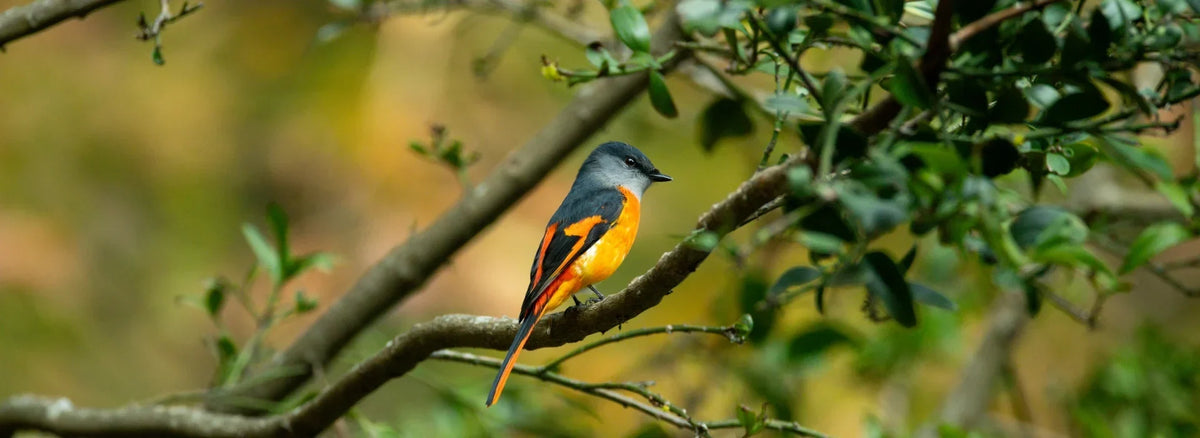
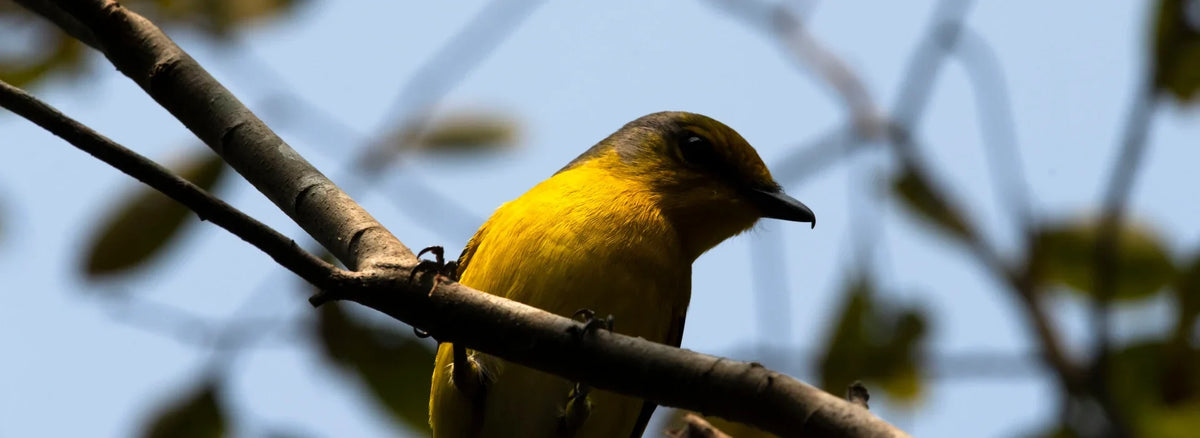
A thermal search may take place across tree canopies, dense bushes, reeds, grass, woodland clearings, or the edges of ponds. Potential targets can appear in different parts of the scene, sometimes only briefly.
A wider FOV helps keep more of that environment visible while scanning. Instead of concentrating on a single narrow section, you can maintain a broader view of the area and identify where further attention may be needed.
Once a potential target is detected, you can then narrow your attention for closer observation.
Make Target Searching More Forgiving
Searching for a small or moving bird requires constant adjustment. Even a slight movement of a handheld device can shift a potential target out of a narrow field of view.
A wider FOV provides more visual margin around the target. This can make it easier to keep the surrounding area in view while scanning and repositioning the device.
This is particularly useful when the target is moving, when vegetation makes visual tracking difficult, or when you are still trying to determine exactly where the heat source is located.
Rather than having to place the target precisely in the center of a narrow viewing window, a wider view gives you more room to work with.
Find First, Then Look Closer
Field of view also works together with magnification.
Higher magnification can be useful when you already know where your target is. But during the initial search, a highly magnified view can make it harder to understand the surrounding scene.
A practical thermal birding workflow can therefore be:
Wide-area scan → locate a potential target → narrow the view → observe details.
This approach separates the two tasks: finding the target and examining the target.
Instead of using high magnification throughout the entire search, birders can first use a wider field of view to determine where to look, then use digital zoom or a closer view when needed.

Why a Wide Field of View Helps in Real Birding Environments
Different birding environments present different search challenges.
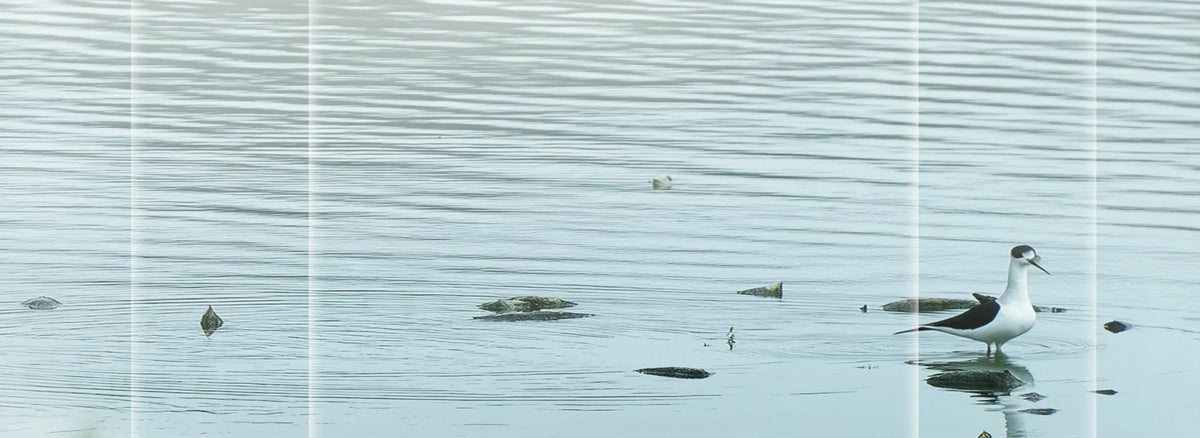
In a dense forest, a bird may be somewhere among branches and foliage. Around wetlands, reeds and grasses can create a visually complex background. In open fields, the search area may be much larger, requiring repeated scanning across different sections.
In each situation, the ability to see more of the surrounding scene can help establish where potential targets are located.
A wider field of view does not replace observation skills or detailed identification. Instead, it supports the search stage by giving birders more information about the scene before they focus on a particular target.
This becomes especially valuable when the target is difficult to see with the naked eye or when lighting and environmental conditions make conventional observation more challenging.
How Rovex Uses a Wide Field of View for Bird Search
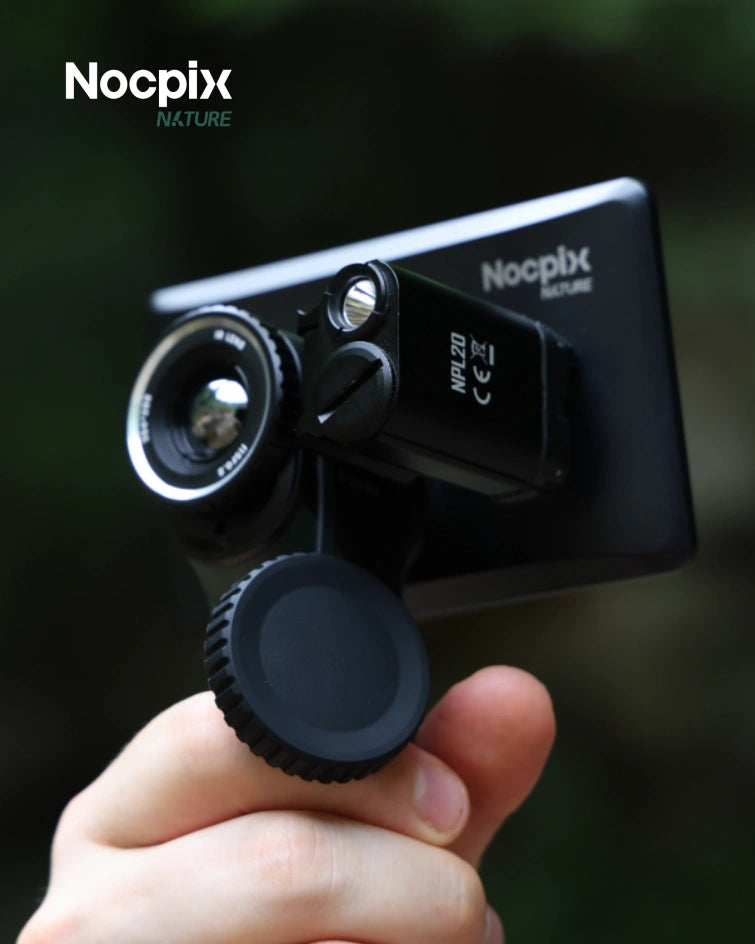
Nocpix Nature Rovex is designed around a search-oriented approach to thermal observation.
With a 17.5° × 13.1° field of view, Rovex provides a broad visual window for scanning nearby trees, bushes, reeds, grass, and other natural environments.
Its 15mm F0.8 lens works with this wide field of view to support a broader thermal view during the initial search.
The idea is straightforward: start with the wider scene, identify a potential heat source, and then use the device's viewing and digital zoom capabilities to examine it more closely.
This makes field of view more than just a specification on a product sheet. In practical birding, it influences how you approach the search itself.
A Wider View for a Smarter Search
Field of view is easy to overlook when comparing thermal imaging devices, but it plays an important role in the way a search is conducted.
A wider FOV can help you:
- Scan more of the surrounding scene at once
- Reduce repeated repositioning during initial searches
- Maintain better awareness of the surrounding habitat
- Keep potential targets within the viewing area more easily
- Locate potential heat sources before switching to a closer view
For birders using thermal imaging, the goal is not always to see farther or magnify more. Sometimes, the first step is simply to see more of the scene.
With its 17.5° × 13.1° field of view, Nocpix Nature Rovex supports a simple search-first workflow: scan the wider scene, locate a potential heat source, then look closer.
Because when you are searching for something hidden in nature, knowing where to look can be just as important as seeing the details.
Share: