
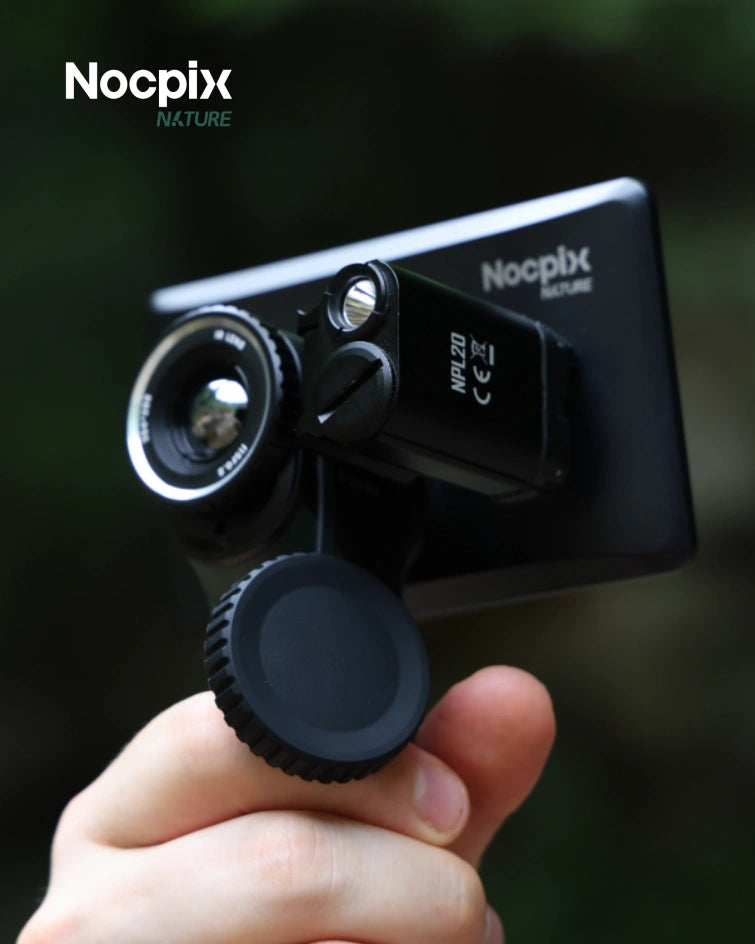
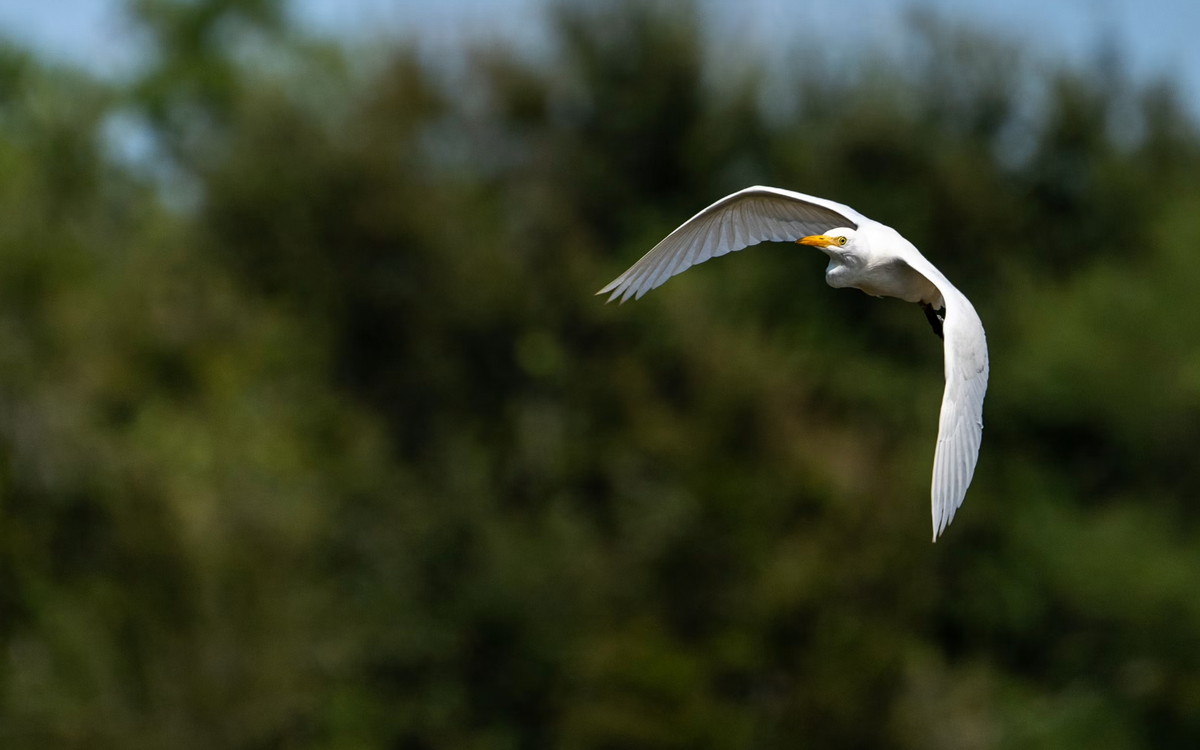
Birdwatching is about discovery, but birds are not always easy to find. Dense leaves, reeds, grass, low light, fog, and rain can all hide birds from the naked eye and binoculars.
Thermal imaging gives birders a new way to search by detecting heat instead of relying only on visible light.
What Is Thermal Imaging?
Thermal imaging is a technology that detects infrared energy emitted by all objects above absolute zero (-273.15°C). Since birds are warm-blooded animals with a body temperature around 40°C, they naturally create a clear temperature difference from their surroundings, such as trees, soil, water, and air.
A thermal imaging device turns invisible temperature differences into a visible thermal image, helping birders spot hidden birds as heat sources in leaves, reeds, grass, or low-light conditions.

Why Is Thermal Imaging Useful for Birdwatching?
See Beyond Visible Light
Thermal imaging does not rely on visible light. In early mornings, dusk, cloudy weather, or dark woodland, it can still detect bird heat sources, making it useful for low-light birding and observing nocturnal birds such as owls and nightjars.
Find Birds Hidden by Nature
Leaves, reeds, grass, rain and fog, and natural camouflage can hide birds from sight. Thermal imaging detects body heat, helping hidden birds stand out from complex natural backgrounds and reducing search time.
Easier for Beginners, Efficient for Experts
For beginners, thermal imaging provides clear visual guidance, helping them quickly find their first target and build confidence. For experienced birders, it improves search efficiency and helps locate hidden, rare, or hard-to-observe birds faster.
Thermal imaging does not replace binoculars or field skills, but it gives birders a powerful new way to search. By detecting heat instead of relying only on visible light, it helps users find birds faster, especially in challenging light, dense vegetation, and complex outdoor environments.
Share: